Now that the housing market has stabilized, more and more homeowners are considering moving up to the home they have always dreamed of. Prices are still below those of a few years ago and interest rates are still below 5%.
However, sellers should realize that waiting to make the move while mortgage rates are increasing probably doesn’t make sense. As rates increase, the price of the house you can buy will decrease. Here is a chart detailing this point:
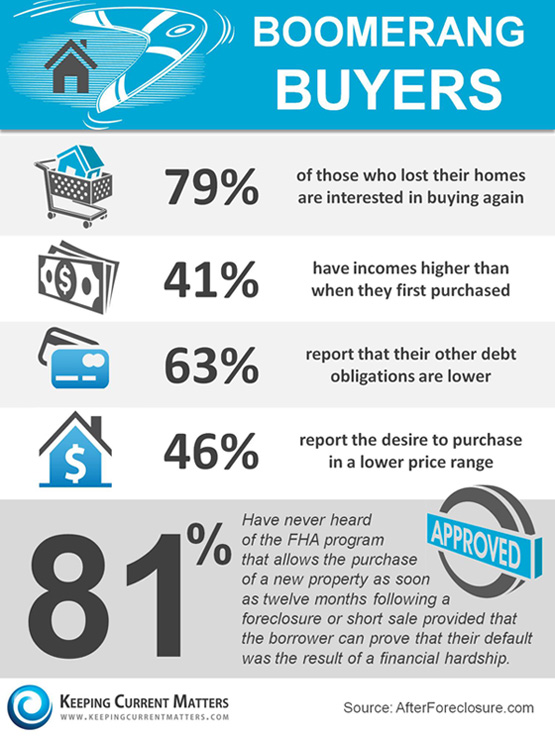
“Boomerang buyers” are former homeowners who have gone through a short sale, foreclosure, or bankruptcy in the past few years and are saving up for a down payment to purchase a home again.
Where are you watching the big game? The Historic Everett Theater at 2911 Colby in downtown Everett is opening it's doors and it's big screen for an opportunity to share the game with your friends and neighbors. Check here for more details: http://www.historiceveretttheatre.org or call 425-258-6766.
With spring being the busiest time for real estate, homeowners planning to put their homes on the market shouldn’t wait for flowers to bloom before getting ready to sell. Having a few months to prepare can make for a much smoother selling experience.
If you’re a prospective home seller, here are five things you can do now to get ready for a spring sale:
Start Packing
It may sound crazy to start packing months in advance of your move, but since you’ll eventually need to do this anyway, you might as well get organized now. We’re not suggesting you pack up your kitchen and eat off paper plates, but you can sort through your storage closets, attic, basement or garage to determine what you want to keep, what to give away and what to sell. Boxing up items will make your space look larger and neater when it’s time to show your home. You can also get an idea of whether you need to rent a storage facility while your home is on the market.
Clear Away the Clutter
If you visit model homes or open houses of homes that have been staged, you’ll never see a stack of unread magazines, children’s artwork loosely hanging on the refrigerator, or a cluster of unpaid bills on a table. While everyone has clutter, buyers want to see a fantasy version of your house, in which they can envision living. Once your home is on the market you’ll need to keep it as neat as possible. One way to make that easier is to reduce the amount of clutter you have on your shelves and surfaces. Put away items that are regularly on your kitchen sink and pack away the family photos that gather dust.
Improve Your Home
While you don’t necessarily want to do a major, expensive renovation project before you sell, you can make minor repairs and improvements that will make your home look fresher to buyers. Try things such as replacing the caulk and grout in your bathroom, updating old or rusted ceiling fans and light fixtures, and changing switch plates, doorknobs and other hardware for a clean and neat appearance. Consider painting your front door and trim even if your rooms don’t need new paint.
Interview REALTORS®
Your choice of a listing agent will make a big difference in how quickly your home sells and how much of a profit you’ll realize. Get recommendations from friends and interview several listing agents to see which ones have the right experience with similar homes in your price range and area. A REALTOR® with a great marketing plan and deep local knowledge is extremely important. Don’t just go with the one who tells you they can sell for the highest price; choose someone who can present you with a detailed market analysis.
Research Your Market
If you plan to buy another home, an important decision to make is whether to sell your home first or make an offer on a new home before putting yours on the market. A knowledgeable REALTOR® can help you evaluate how fast homes are selling in your market and help you estimate how long it will take you to find a home. This decision also depends on your financing, so you may want to consult with a lender to see how you can finance the transition from one home to another if you choose not to sell your home first.
If you spend the winter months preparing for spring, you’ll find yourself ready to move fast when buyers come out of hibernation.
If you’ve promised yourself you’ll become a homeowner for the first time in 2014, we’ve got five, easy-to-accomplish resolutions to help get you there.
1. Boost Your Credit Score
Your credit score will play a key role in your mortgage approval and rates. At the beginning of the year, order your credit reports from AnnualCreditReport.com, a free service authorized by federal law. Go over each report, dispute any errors, and pay off old debts.
In the meantime, avoid big-ticket items such as cars or furniture and don’t apply for new credit. Jon Sterling, a regional sales manager for real estate offices in Northern California, says, “An inquiry itself causes a credit score to temporarily drop, and acquiring more debt by buying something, or the capacity to acquire more debt by opening a new credit account, can have dramatic effects on [your] mortgage situation.”
2. Save Up to Put Down
According to Sterling, you’ll typically need a 20 percent to 30 percent down payment to qualify for the best mortgage rates. At the beginning of the year, try cutting optional expenses to save more. For example, cutting out an $85 cable bill will save you $1,020 in a year. Remember, every little bit helps you avoid higher interest rates or private mortgage insurance.
3. Find the Best Real Estate Agent
Finding a great real estate agent takes time but will pay off in the end. Sterling recommends you find a buyer’s agent who “can give you a few recent testimonials from happy buyer clients. Be sure to check those references to be sure they are legitimate.” To get started, ask friends and family for referrals or search realtor.com®’s Find a REALTOR® database.
4. Get Pre-Approved
Knowing what you can afford, what you qualify for, and what type of loan you want can help you find the best deal when you’re ready to apply for a mortgage. To get started, research the differences between conventional and unconventional loans and use a mortgage term comparison calculator to get an idea of the cost. When you’re ready to shop for mortgages, use realtor.com®’s Get a Mortgage Quote tool to see current rates and get quotes from lenders in your area.
5. Find Your Dream Home
Sterling says potential home buyers should be “reading and researching as much as they can” as soon as they can. Don’t wait until you’re ready to shop to start looking at homes. Start early by researching neighborhoods in your target city and viewing homes online to get an idea of pricing. Once you’re ready to shop, you’ll have a much better idea of what you want and what you can afford.
There’s something inherently fun about decorating a kid’s room — bright colors, whimsical prints and accessories — but it’s tempting to go overboard. A room swathed completely in hot pink or centered around a theme may not work in a few years, or even a year from now.
How, then, do you create a kid-friendly space that will last? Two designers — Jennifer Jones, the principal designer at Niche Interiors in San Francisco, and Claire Paquin, the principal at Clean Designin Scarsdale, NY — offer their tips.
Choose big pieces that will transition
A child will eventually outgrow a few pieces in his or her room — a crib, for example, and perhaps a rocking chair — but otherwise, when buying furniture for the room, both designers advise finding items that can transition.
Jones designed a nursery in California for a child named Dylan and specifically chose darker, modern furniture — pieces that the family could use for years to come.
The dresser in Jones’ design can transition into other rooms or be used as the child ages.
“When you’re selecting large pieces in the room, you want the pieces to transition,” Jones said. “I like dressers in kids’ rooms, rather than a changing table, because a changing table can only be used for a year and a half. On top of the dresser, you put a changing pad.”
Other items such as a rug or a rocking chair should also be pieces that you’ll be happy with for several years.
The kid touches in Dylan’s room are found in the whimsical dragonfly print wallpaper, the art prints adorning the wall and the aqua chair and pouf.
Aqua, orange and red touches add punches of color to the room.
“The wallpaper is neutral, the rug is relatively neutral. It’s really the chair and window treatment where there’s still a lot of color, but if they wanted to change it in a few years, they could,” Jones said.
However, even as you choose basic, big pieces for a child’s room, Jones cautions against going too far in this direction.
“I don’t think going full neutral is the way to go. Kids and children need color stimulation, so I don’t agree with the rooms that are taupe and grays and browns. It’s too drab for kids,” she said. “I think bold, saturated color is great to make the room feel fun and young.”
Go vibrant — with limits
Like Jones, Paquin reiterates that color is necessary for a child’s room.
“People are afraid of color. They’re afraid they’ll get sick of it, but if you put color on the walls, it’s fairly easy to paint over time,” she said.
Paquin designed rooms for two young sisters, painting one space a bold aqua and another pink.
The soft pink becomes more grown-up with neutral shades of chocolate brown and white. Donna Dotan Photography Inc.
“When I design kids’ spaces I try to find two or three shades that are vibrant that work together,” she explained. “In the aqua room, it’s aqua and yellow, with pops of other colors, because you’re always going to have other color. But substantially it’s aqua and yellow.”
Choosing a limited palette of bright colors keeps the room from becoming overwhelming. And like Jones, Paquin chose neutral shades for the investment pieces in the room.
For example, the pink room has a chocolate brown velvet headboard. The aqua room’s bed is a cream chenille with polished nickel accents.
White bedding with pops of yellow make this child’s room fun. Photo by Donna Dotan Photography Inc.
“These are things that can grow,” Paquin said. “You can always repaint, but furniture lasts. You can reupholster, but it’s a lot of work and a lot of money, and if you buy a durable fabric, you won’t need to.”
Be practical but creative
You’ll always need certain items in a child’s room — if you have an infant, for example, you’ll likely need a crib — but try choosing pieces that are more contemporary or that have clean lines.
Want a rocker in the room? Jones said a recent client chose an Eames chair instead, and it’s a piece that can be used elsewhere in later years.
A rocking chair doesn’t need to be traditional, as is shown in this design by Jessica Gersten.
Or, as Paquin mentioned, you may want dark roller shades for sleep purposes, but that doesn’t mean you can’t add fun window treatments over the functional shades.
“In the pink and aqua rooms, I added stripes of grosgrain ribbon at the bottom in aqua, pink and orange,” she said. “They’re really cute and make the colors [in the room] very intentional.”
Making the room your own, whether with fun curtains or classic furniture, is always going to be the best way to make the decor of a kid’s room — or any room — last, Jones says.
Erika Riggs, a real estate writer for Zillow Blog, covers celebrity real estate, unusual properties and home design trends. Read more of her work here.
The bright red berries are viburnum, but holly would work just as well. Any plant with silvery-gray foliage that lasts through the winter, such as senecio or artemisia, will add the frosty glint that sparks the textural contrasts in this showy yet subtle arrangement.
INSTEAD OF glamming up with shine and sparkles for the holidays, why not look out the window for decorating inspiration?
Natural materials like greens and branches, berries and flowers are a breath of fresh air amid all the overdecorating that goes on this time of year. And they’re mostly free.
Nicole Cordier, front-desk manager at the Seattle Wholesale Growers Market in Georgetown, practices admirable restraint for a woman surrounded by temptations. I stopped into the market a few weeks ago to see what greenery and blooms might be available through the holidays to supplement what you grow yourself, or to provide new and different materials to play around with. Cordier wandered the market, pulling ‘Café au Lait’ dahlias and branches of blue-berried juniper for holiday arrangements.
What will be available at the market in late November through December? “We’ll have snowberry and holly, dried hydrangeas, rose hips, bare branches, wreaths and lots of holiday greenery like pine, spruce and hemlock,” says Cordier.
In late autumn, the market’s bins and baskets are filled with gourds and squashes in a mind-bending array of shapes, colors and degrees of wartyness. Jello Mold Farm in the Skagit Valley offers fragrant winter stock in shades of white, cream and salmon, and Oregon growers supply greenhouse roses and lilies year-round. Tangles of bare branches never looked so atmospheric as they do in this old, cement-floored brick building. (The public can shop the wholesale growers market on Fridays; see seattlewholesalegrowersmarket.com.)
Cordier pulls a bulbous ‘Pink Cinderella’ pumpkin from one of the bins, hollowing it out as if she’s carving a Jack-O-Lantern. She sticks a water-filled vase inside to create the perfect container for a Thanksgiving harvest arrangement. But there’s nothing typical about Cordier’s color sense. The big, creamy dahlias tinged in lavender and peach reflect the color of the pumpkin’s skin, their silky petals contrasting with the crispness of sky-blue hydrangeas. Bristly juniper branches, with their blue berries and fresh, resinous scent, ground the arrangement in near-winter. A scatter of fuzzy-grass blooms lighten up the bunch. Then the addition of palest lavender roses, and Cordier steps back to take a look at her work. “It’s soothing to me,” she says. If any arrangement stuffed into a pumpkin shell could elevate a Thanksgiving table to a work of art, it would be this one with its sophisticated tones and textures.
Cordier steps up the textural contrasts in her second bouquet. She starts with a glossy vase from West Elm in palest blue. Tall, stiff, brightly berried Viburnum ‘Cardinal Candy’ branches serve as a scaffold to hold the rest of the materials. Cordier echoes the vase color with the ghostly pale little berries on the dried bayberry and in sprays of silvery Dusty Miller. The felted texture and spreading shape of this common bouquet filler looks fresh here, a visceral contrast to the upright berry branches. White, white snowberries are plump reminders that it’s winter as they drip off lax, curving branches.
When I think Cordier is through and the bouquet is perfect, she surprises me by tucking in a few ‘Red France’ roses. It’s that unexpected refinement amid the garden-esque berries and branches that makes the arrangement uniquely beautiful. “You could use deeper, darker red roses like ‘Bordeaux’ or ‘Prestige,’ she adds. “But I don’t like to overdo it.”
Valerie Easton is a Seattle freelance writer. Check out her blog at www.valeaston.com. Ellen M. Banner is a Seattle Times staff photographer.
Few experiences are more frustrating than falling in love with a home that's for sale and then discovering you can't afford to buy it.
The majority of first-time buyers need to finance their home purchase, and a consultation with a mortgage lender is a crucial step in the homebuying process because you need to understand your purchasing power before you begin to look at homes.
Lenders offer borrowers a prequalification letter or a preapproval letter, but most real estate agents recommend that you get a preapproval before shopping for a home. A prequalification letter will state the amount a lender thinks you can borrow based on your income and your credit profile without any actual documentation. Mortgage-lending standards have tightened since the housing crisis, and all loans now require full documentation and verification of income and assets, so most sellers will only accept an offer from a buyer with a full preapproval letter that’s based on verified information.
Sellers aren't the only ones who benefit from you obtaining a loan preapproval, though. You're better off with a preapproval for two reasons:
You'll have gone through the credit check and paperwork requirements for a mortgage, so you’ll have clarity about your ability to finalize a home purchase. If the lender finds a problem with your credit or an error on your credit report, you’ll have time to fix it before making an offer.
Because your documentation will already be in place, a loan preapproval based on everything other than the actual value of the home you’ll purchase will speed up the process once you make an offer.
How to find a lender
Your real estate agent should be able to recommend a lender or two for you to interview, but you should also ask friends and colleagues for someone they trust. You can check for a loan officer's license and read reviews online to be sure you're working with someone reliable. As a first-time buyer, you should call a few lenders to find someone experienced with first-time buyer needs who can possibly help you identify special loan programs in your area that could help you get into a home.
What to expect from your lender
The best lenders take a collaborative approach with borrowers and explain all your loan options. When your lender checks your credit report, you should get feedback about ways to improve your credit profile and recommendations for how to handle your money between the time you apply for a loan and settlement day. Your lender should provide advice about when to lock in your loan rate and discuss the pros and cons of various loan programs.
What your lender expects from you
Your lender needs you to be honest about your finances and responsive to all requests for additional information, no matter how unimportant it may seem to you. The more cooperative you are with a lender, the easier the loan process will be. You should be prepared with tax returns, W-2s, bank statements, employer names and addresses and your current landlord's information.
Your lender will generate a loan approval based on your debt-to-income ratio and credit score, but you should also consider your budget and your own comfort level with a payment. There’s no need to borrow the maximum amount you qualify for, particularly if you know you plan to spend money on items that don’t show up on your credit report such as greens fees or ski trips. Your careful planning and preservation of your emergency fund are important for responsible, long-term homeownership.
Five years after the devastating housing crisis, adults still view home ownership in a positive way. A survey was taken by 1,000 adults. These were individuals from all over the country, and 88 percent believe that home ownership is very important.
They believe it to be an integral part of living the American dream. However, 55 percent of individuals surveyed reported that if they couldn’t own a home they would not feel less successful. About 66 percent of adults surveyed say their opinion regarding home ownership has remained the same.
Despite the fact that returning to a normalized housing market has been a slow process, the opinion of those surveyed hasn’t changed over the last five years. Studies show that renters much more likely to report an opinion change than homeowners.
It’s true that the housing market took a major hit. It’s also true that over one million homes went into foreclosure every year. However, despite these obvious problems, homeownership is still something that adults feel strongly about and strive to achieve.
The poll underscores the fact that people who just want to rent need to have affordable, quality rental homes available to them. Although most people’s views of homeownership haven’t changed, the poll found great differences between renters and homeowners. Basically, renters still want to rent and don’t plan on buying a home, even with record-low mortgage rates and home prices.
About 42 percent of renters are considering purchasing a home, and 55 percent of renters are not considering a home purchase. The poll also shows that 63 percent of the renters are likely to rent a housing unit, and 25 percent of renters will rent an actual property.
The poll shows that both homeowners and renters agree that buying a home is a complicated process. Both groups agree that purchasing a home requires beating down numerous obstacles, which are created by personal economics.
The majority of adults feel that they know enough about the available mortgage types, but for every four adults, there is one who doesn’t know much about mortgage options. The poll confirms that the process of purchasing a home creates great tension among consumers.
However, half of all Americans say they’re more prepared to buy a home now than ever before while 40 percent of Americans said they’re not as ready to buy a home as they used to be.
What do these results tell us? Well, they reveal that the majority of consumers can identify when it’s a good time to buy a home, and they feel that homeownership is still very important. However, the events that have occurred over the last five years have held them back from truly pursuing their dream of owning their own home.

 Facebook
 X
X
 Pinterest
 Copy Link